
- by Wayne Kampe
Tilapia (Cichlids) are a pest fish that seems to be in every South East Queensland waterway, and many others north and south as well. First identified in our coastal waterways over a two decades ago after being introduced as an ornamental aquarium fish, tilapia are well and truly loathed these days due to their ability to spread far and wide.
Two strains of tilapia
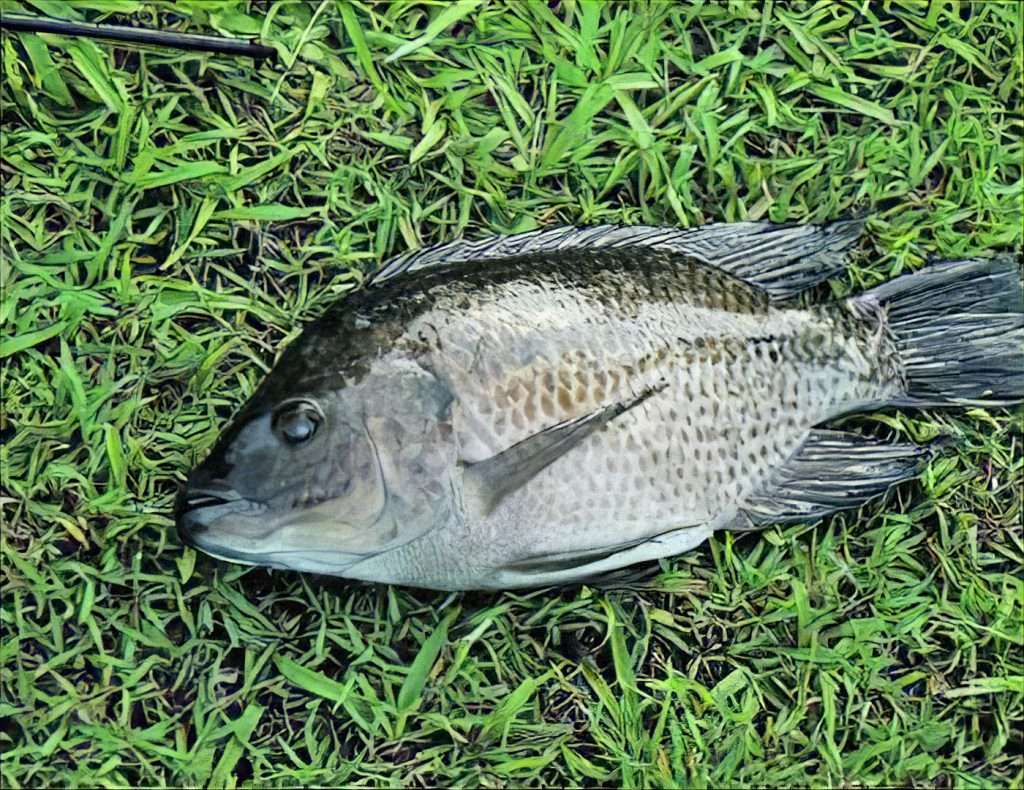
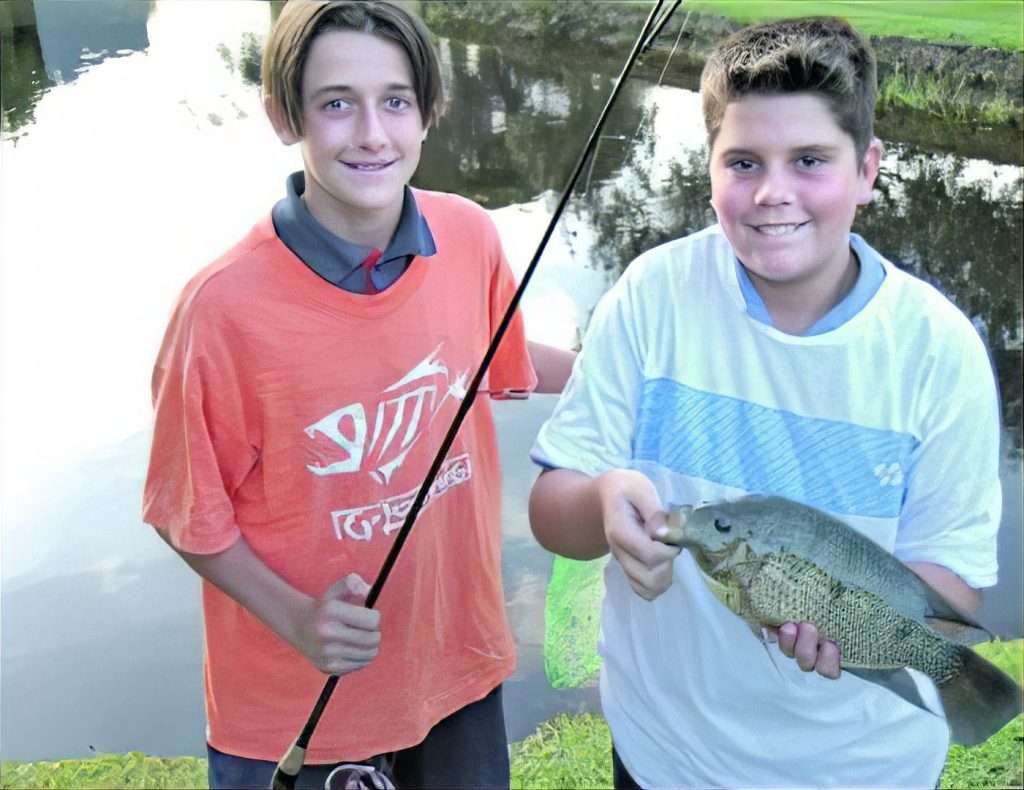
The main offender is the Mozambique strain of tilapia, easily identified by its dull grey, deep body, and long dorsal and anal fins. There’s also the smaller spotted tilapia which can have dark bars or blotches on its side. Both fish have dorsal and anal fins that are almost symmetrical in appearance, whereas our native fish have a break in the dorsal fin that sets them apart. The Mozambique strain of fish grow to 40cm and well over a 1kg and are a powerful adversary on light tackle. This is exactly what this article is all about – catching tilapia and then removing them from our waterways and impoundments.
Habitat
Under Queensland law tilapia are classified as a noxious fish. They have the ability to take over an environment and make it very hard for other fish to survive alongside them. As mouthbreeders they can successfully outbreed and out-populate established native fish and can live in virtually any waterway: fresh, brackish or whatever. If things don’t suit them in the local stream or creek, they can nip down to the salt water for a while to regroup and travel to fresh destinations.
Although they carry their young in their mouths they also build shallow scooped-out nests up to 50cm wide on stream edges for their eggs to hatch in. This dirties the water and disrupts weed beds.
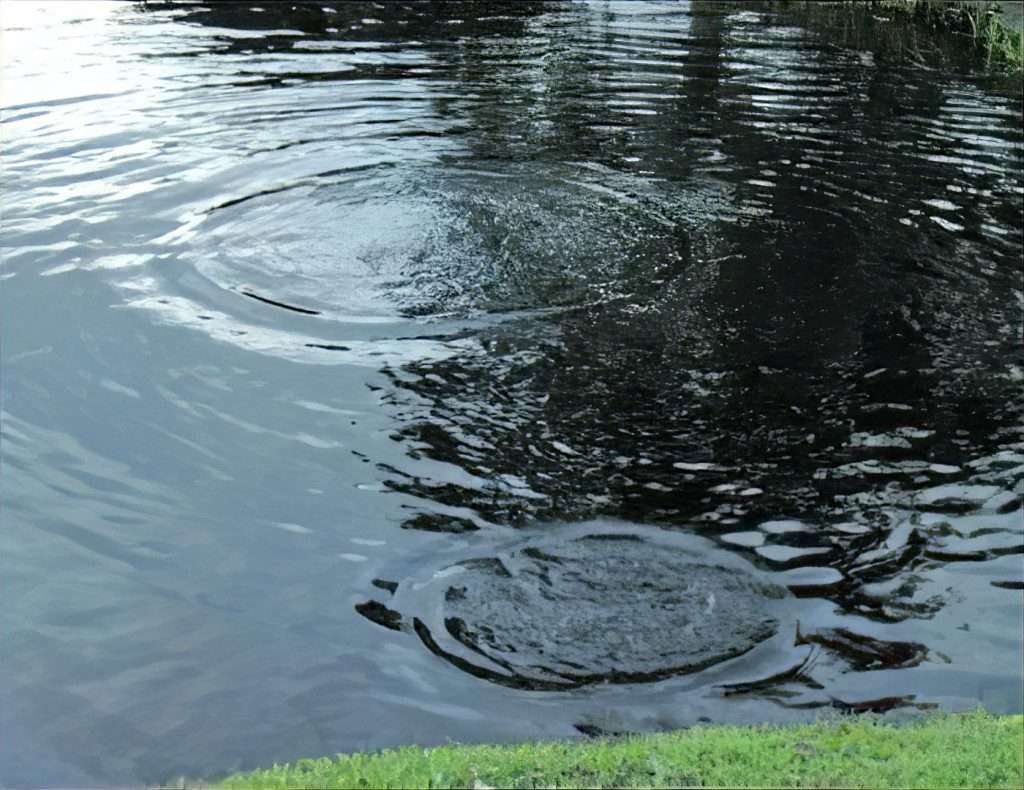
Worst of all is the spread of Queensland’s tilapia. First flooding moved them into fresh habitats, now cyclone Debbie has washed them far and wide. It won’t be hard to find a population of tilapia to fish for. The idea is to check out slower moving creeks, lagoons and backwaters on fresher sections of rivers, especially if some weed growth is present. These fish are omnivorous and will eat weed quite willingly. They tend to school up where they can sometimes be easily seen, not moving much at all, just hovering quietly while contemplating their next move.
Grocery store bait
Few fish can be caught as easily as tilapia in shallow water. Yes, they are present in most South East Queensland impoundments, but deeper water makes them harder to catch. It’s the creek, lagoon and pond fish that are the easiest to find and catch. Therefore these fish provide great sport.
Earth worms will catch tilapia, as will flies that resemble worms. Turtles and native fish also live alongside tilapia in the creeks and ponds and we don’t want to be giving them a hard time as well, so exploit the tilapia’s liking for weed and similar materials to keep the turtles, spangled perch and catties out of the picture.
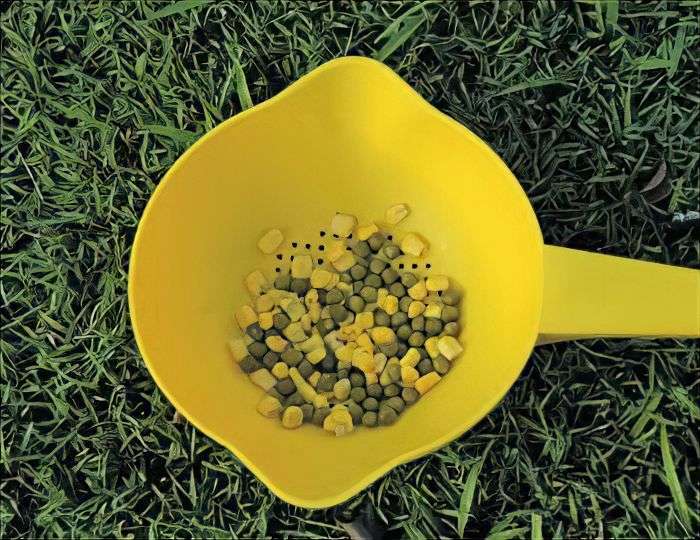
Cichlids love canned food. It’s a trait they share with carp, another highly invasive and noxious fish. Corn and peas can be their undoing and a small hook baited with mixed peas and corn is a top notch bait. To reduce time between bites the clue is to whip the fish into a frenzied state before putting the corn and peas out under a light float on a size 6 hook. Berley seems to bring tilapia into a near suicidal feeding frenzy, with one fish after the other competing for the bait and coming out of the water on the hook. A mix of finely squashed wet bread, some rolled oats and even plain bran mixed up with plenty of water will see swirls and chops on the surface. This indicates that the tilapia are now looking for more tucker.
Remember, like other fish, tilapia don’t want to see a human standing on the bank like a windmill and will quietly move elsewhere. Keep a very low profile and drop a fine float loaded with bait right into the action. Three corn kernels and a green pea are ideal and the hook should be set up around 50cm under the float for the best results.
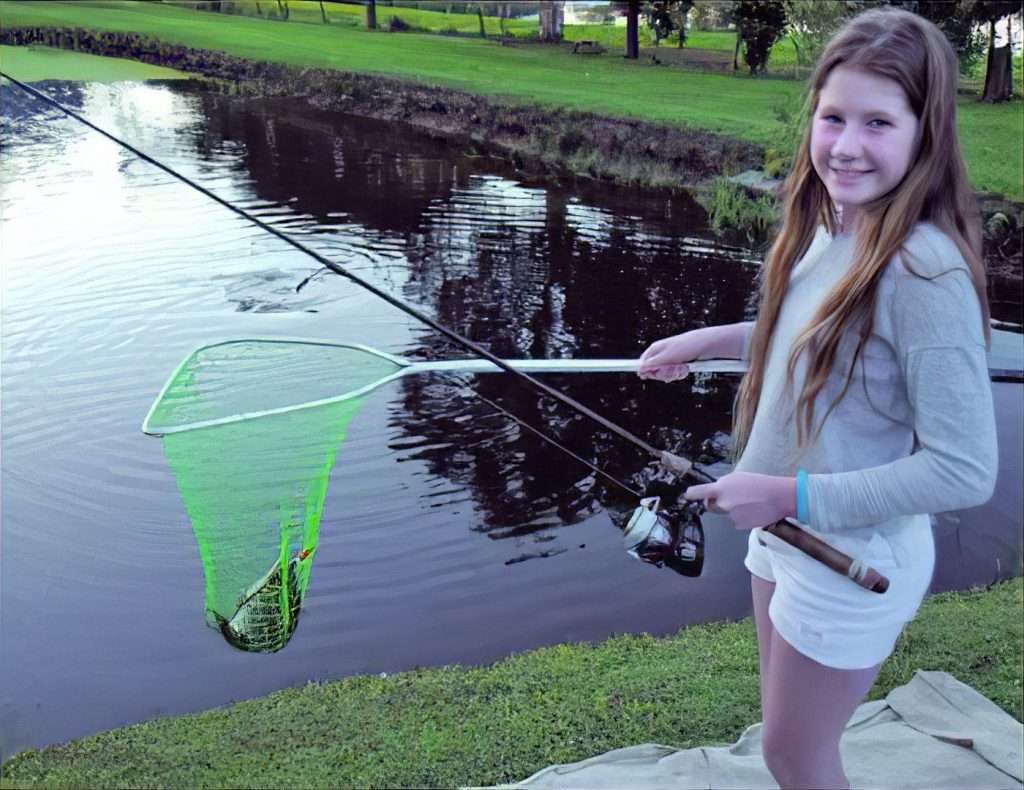
It’s common to see the float land, straighten up, and go immediately under the surface when tilapia are really on the job. Don’t make the mistake of thinking that they will excuse heavy tackle or rough tactics. They won’t. The best idea is to use a fine rod, reel and line. Bream tackle is ideal. Go about things gently. A large tilapia will give a very good account of itself and a net to prevent break-offs is useful. After capture, a bucket or bag to keep the fish in is a good idea.
Is it illegal to keep tilapia?
Although tilapia are reported to be a good tablefish, you are not allowed to keep them in Qld or NSW. According to the Qld DPI website, you are not allowed to ‘keep, feed, give away, sell or release tilapia into the environment’. It’s not worth breaking the law and risk getting a hefty fine. Instead, the fish should be euthanized humanely and then buried above the high water park or put in a nearby bin. You might wonder why you can’t just dump a dead tilapia in the water – it’s because it might have live young in its mouth that could escape.
The more tilapia we remove from the environment, the healthier our waterways will be — and catching them is definitely a lot of fun!
This classic article is from our archives, first published back in 2017.


